How to Tape a Hockey Stick
You just bought your first hockey stick, and you're about to head out for your first time on the ice—you want to show up ready. One of the simplest ways to prepare is learning how to properly tape your hockey stick. Taping the handle improves grip and comfort since your top hand acts as the steering wheel for stickhandling and control. Taping the blade serves a different purpose, helping improve puck feel, control, and shot accuracy while also protecting the blade from wear.
While every individual will develop their own style and routine, this guide breaks the process down into a few easy steps so you can quickly learn how to tape both the handle and blade of your stick. We'll also cover helpful tips like tape color, wax, and alternative grip options so you can find the setup that feels best for your game.
Quick Hockey Stick Taping Summary
Step 1. Tape your hockey stick handle.
Build your knob by wrapping tape several times around the top of the shaft, then continue wrapping diagonally down the handle with slight overlap until you reach your desired grip length.
Step 2. Tape your hockey stick blade.
Start at the heel with one full wrap to anchor the tape, then wrap diagonally across the blade with slight overlap until you reach about one or two inches from the toe.
Step 3. Apply hockey stick wax.
Finish your tape job by applying hockey stick wax to the blade tape.

What You'll Need to Tape Your Hockey Stick
Before we dive in, let's quickly discuss what you'll need.
Hockey Stick Tape:
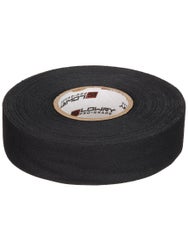
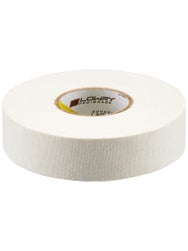
- Most players use 1" cloth hockey tape for both the blade and handle.
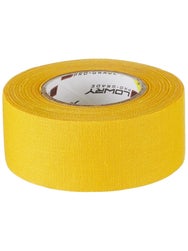
- Tape typically comes in black or white, though other colors are available. White tape can make it easier to see the puck on your blade in your peripheral vision. Black tape may help slightly conceal the puck from goalies.
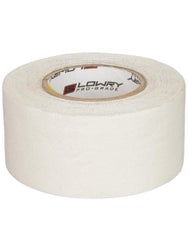
- Goalies often use 1.5" cloth tape since they need to cover a larger blade surface.
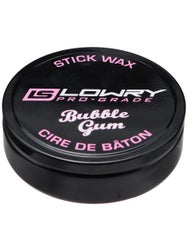
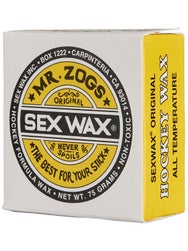
Hockey Stick Wax (Optional):
- Applied after taping the blade.
- Adds a tacky layer for better puck control and spin when stickhandling, passing, and shooting.
- Helps repel water and prevent snow buildup, extending the life of your tape job.
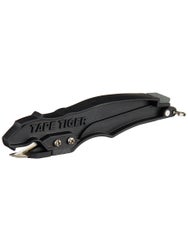
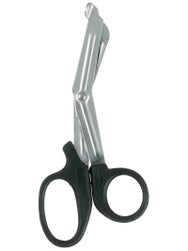
Scissors or Tape Cutter (Optional):
- Helps create clean, precise cuts instead of tearing tape by hand.
- Prevents fraying or loose edges on your tape job.
- Small and easy to keep in your gear bag for quick retaping before games or practices.
- Easier to remove the previous tape job.
Step #1: Tape Your Hockey Stick Knob and Handle
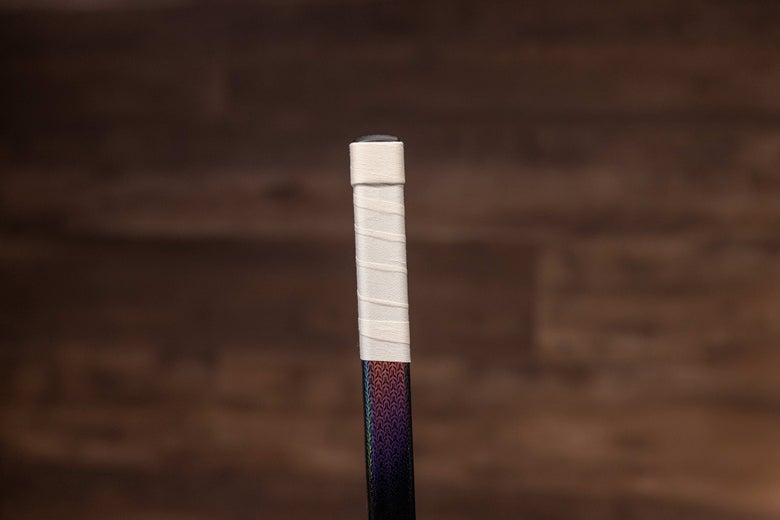
Start by building your knob, which is done by wrapping the tape several times around the very top of the shaft. The size of your knob comes down to personal preference, but it should generally be a mid-sized knob that allows the pinky finger to comfortably wrap around the stick while wearing gloves.
From the knob, wrap the tape in a spiral pattern down the shaft, overlapping the tape slightly. Continue wrapping until you've reached your desired handle length, typically between 3 and 5 inches below the knob.
Once you've reached the end of your handle grip, finish with one clean wrap around the shaft for a polished look. Using scissors or tearing the tape by hand, cut the tape where you want it to end and press the loose edge firmly against the shaft so it stays secure.
At this point, some players like to apply one layer of stretch grip hockey stick tape over their knob and handle. This optional addition adds comfort, thickness, grip, and better protection for the palms of hockey gloves.
Step #2: Tape Your Hockey Stick Blade
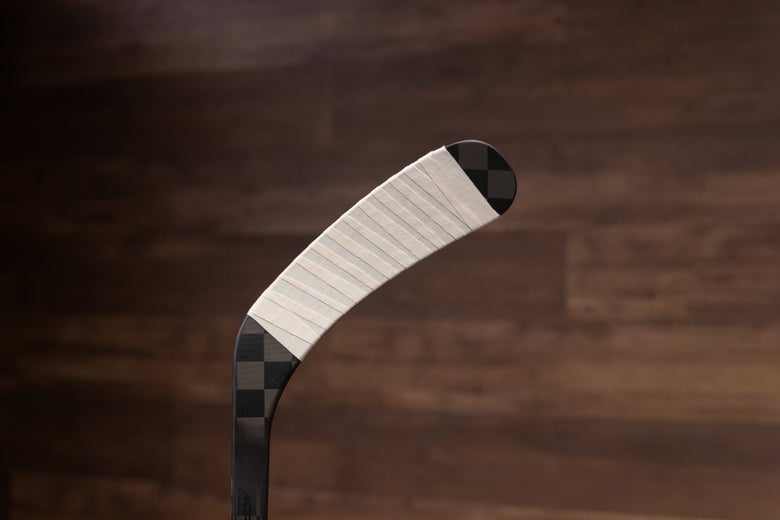
Taping your blade from heel to toe helps add friction as the puck rolls off the blade when shooting or passing. This added friction enhances puck spin, which in turn provides more accuracy. Start by anchoring the tape on the top edge of the heel with one full wrap to secure it before beginning your blade coverage.
From the heel, begin wrapping the tape across the blade toward the toe, slightly overlapping each layer to ensure full coverage and durability. Keep consistent tension on the tape as you work your way across the blade to avoid wrinkles or gaps. Continue this pattern until the entire blade face is covered, leaving a small portion of the toe uncovered. For roller hockey players, they generally apply one long strip on the front and back of the blade where the puck makes contact, avoiding wrapping the blade to reduce friction on indoor surfaces.
Once you reach the toe, complete one final wrap to secure the tape. Tear the tape cleanly by hand or use scissors, then press the loose end firmly against the blade so it stays in place. Smooth the tape down with your fingers to ensure each overlap is fully adhered and ready for the ice.
Step #3: Apply Hockey Stick Wax (Optional)
Hold the wax and rub it across the entire surface of the blade tape with even pressure. Applying the wax from toe to heel prevents the edges of the tape from rolling up. While the amount of wax coverage is personal preference, most players apply wax to the bottom of the blade and where the puck makes contact on the front and back of the blade. Once applied, smooth out any areas that may have wax buildup, leaving a thin protective layer. The blade should feel slightly tacky but not overly thick or clumpy. While wax is generally used for ice hockey, we also carry a roller hockey-specific wax for ultimate puck control.
Alternative Options: Stick Grips and Blade Grip Pads
While traditional cloth hockey tape remains the most popular option, some players prefer stick grips and blade grip pads as modern alternatives.
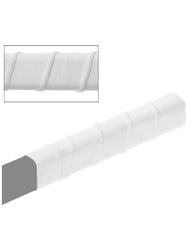
Stick grips can either slide or wrap over the shaft and provide a tacky, consistent grip without the need for tape. They also help reduce wear to the palms of gloves, making them a good option for players wanting to increase the lifespan of their hockey gloves.
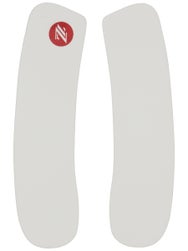
Blade grip pads attach directly to the face of the blade and create a textured surface that improves puck feel and control. These pads eliminate the need for repeated taping while still adding friction for better passing, shooting accuracy, and puck handling.
Both options offer longer-lasting performance and quicker setup, making them appealing choices for players who want to spend less time taping their stick before each skate.
Taping a Hockey Stick FAQ's
Why do hockey players tape their sticks?
Players tape their hockey sticks to improve grip, puck control, and durability. Tape adds friction to the blade for better puck rotation, which increases shot and passing accuracy.
Should you tape a hockey stick blade from heel to toe or toe to heel?
Most players tape heel to toe because it improves puck rotation as the puck moves along the blade when shooting and passing. The more a puck rotates, the better accuracy and stability it maintains as it travels. However, it ultimately comes down to personal preference.
How often should you retape your hockey stick?
While it comes down to personal preference, most players change their tape once it becomes worn, wet, or torn, since any damage to the tape reduces puck control and performance. This timeline can range from one period to multiple games.
Why do players use hockey stick wax?
Stick wax's main purpose is to repel snow, ice, and water, extending the life of the tape and improving puck control during stickhandling, passing, and shooting.
How do you apply hockey stick wax to the blade?
Rub the wax across the taped blade with even pressure. Focus on the bottom and main puck-contact areas, then smooth out any buildup so the blade has a thin, slightly tacky layer.
Should I tape the entire blade?
Taping the entire blade provides the most consistent puck feel from the heel to the toe, though every player develops their own tape job based on personal preference and puck feel.
Should I use black tape or white stick tape?
The color of your stick tape comes down to personal preference and what you feel most comfortable using. Generally speaking, black tape offers a bit more concealment of the puck, potentially making it harder for goalies to track. White tape makes it easier for players to see the puck on their blade, helping with stickhandling.
What is the purpose of taping the toe of the blade?
Taping the toe of the blade mainly helps improve durability during puck battles along the boards and can provide slightly better puck control for toe drags and quick puck movements. It's also a common way for players to add a bit of personal style to their stick.
Are stick grips better than tape?
When it comes to protecting the palms of your hockey gloves, yes, stick grips are better than traditional cloth tape. When it comes to grip and feel, personal preference comes into play. Stick grips are generally tackier and provide more cushion, while cloth tape offers a more natural stick feel.
How far down the shaft should I tape my hockey stick?
Most players tape 3 to 6 inches below the knob, but this varies based on grip preference and style.
How big should the knob on a hockey stick be?
The knob or butt end should be large enough to prevent your top hand from slipping off the stick, but small enough to remain comfortable while wearing gloves.